
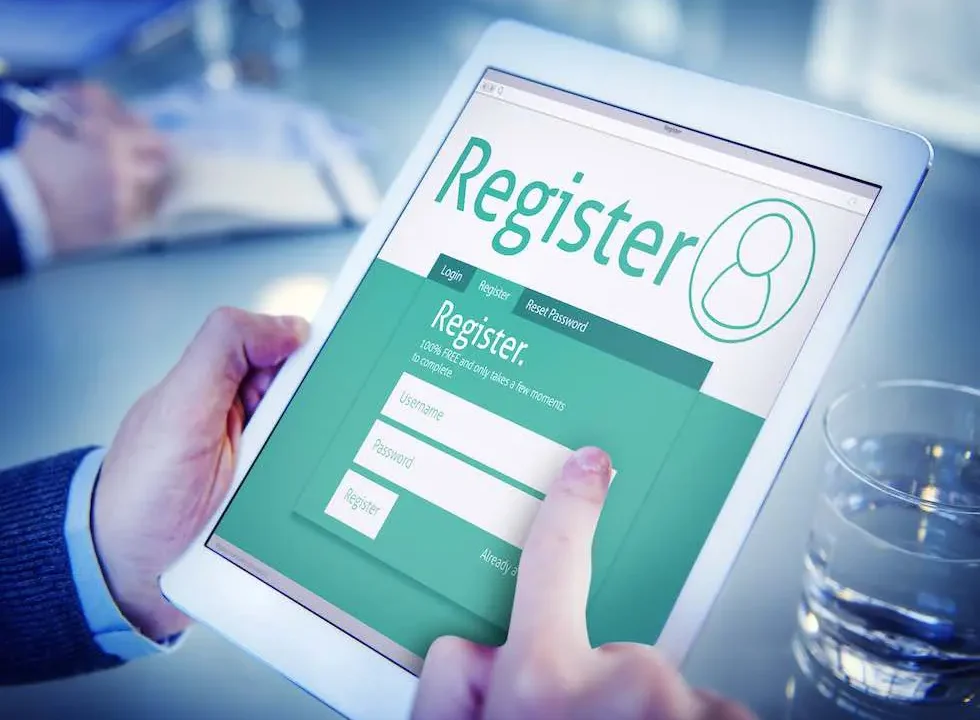
Planning a successful conference involves much more than selecting a venue and inviting speakers. Organizers must manage registration, ticket sales, attendee information, session schedules, payments, communication, check-in, networking, and post-event reporting. As conferences become larger and more complex, manual processes can create unnecessary administrative work.
An Event registration platform can help conference organizers bring many of these activities into one organized digital environment. By centralizing registration information and automating repetitive tasks, an Event registration platform can support event teams throughout the planning process.
Whether the conference is a small professional meeting or a large industry gathering, registration technology can influence the attendee experience and the efficiency of the organizing team.
Why Conference Registration Requires Careful Planning
A conference can have many different types of attendees. Speakers, sponsors, exhibitors, employees, members, customers, students, and general participants may all have different registration requirements.
An Event registration platform can help organizers create separate registration categories for these audiences.
For example, a technology conference could offer:
- General attendee registration
- Early-bird registration
- Student registration
- Speaker registration
- Sponsor registration
- Exhibitor registration
- VIP registration
Each category can potentially have its own pricing, information requirements, and access rules.
Creating a Central Registration Process
Without centralized registration technology, conference organizers may have information spread across spreadsheets, emails, payment systems, and separate forms.
An Event registration platform can provide a central location for registration data.
This makes it easier for event teams to understand who has registered, which ticket they purchased, whether payment was completed, and what sessions they selected.
Centralized information can also reduce duplicate data entry.
Designing a Professional Registration Page
The registration page is often one of the first places where potential attendees interact directly with an event.
An Event registration platform can allow organizers to create branded registration experiences.
A professional conference registration page may include:
- Conference branding
- Event dates
- Venue information
- Speaker details
- Ticket options
- Session information
- Payment options
- Frequently asked questions
- Contact information
A consistent visual experience can help attendees understand the event more easily.
Managing Ticket Pricing
Conference organizers often use multiple pricing strategies.
Early-bird pricing may encourage people to register sooner, while standard pricing can apply later. Members may receive discounts, and students may receive reduced rates.
An Event registration platform can help manage these pricing structures.
Organizers can potentially create registration periods with different prices and availability rules.
This can make it easier to manage registration campaigns without manually updating prices for every participant.
Supporting Speaker Registration
Speakers often have different requirements from general attendees.
An Event registration platform can help organizers create dedicated registration paths for speakers.
Speaker registration may collect:
- Name
- Job title
- Organization
- Biography
- Photograph
- Session title
- Presentation information
- Travel details
Centralizing this information can make communication between speakers and event staff more efficient.
Managing Conference Sessions
Modern conferences often include multiple tracks.
A business conference might offer sessions focused on:
- Leadership
- Marketing
- Finance
- Technology
- Human resources
- Entrepreneurship
An Event registration platform can help attendees select sessions during registration when session management is supported.
This information can also help organizers estimate room capacity and attendee interest.
Controlling Session Capacity
Some conference sessions have limited seating.
A workshop may only accommodate 30 people, while a keynote presentation may accommodate hundreds.
An Event registration platform can help organizers manage capacity by tracking session selections.
Depending on the system, organizers may be able to create waitlists or prevent additional registration once a session reaches capacity.
Online Payment Management
Payment processing is another important part of conference registration.
An Event registration platform may support credit cards, digital payments, invoices, or other payment methods.
Payment providers such as Stripe and PayPal are examples of payment technologies that may be integrated with event systems.
Conference organizers should review available payment methods, transaction fees, refunds, and reporting before selecting a platform.
Improving Attendee Communication
Good communication can prevent many conference-related questions.
An Event registration platform can help organizers maintain accurate attendee information for registration confirmations and event updates.
Communication may include:
- Registration confirmations
- Payment receipts
- Event reminders
- Schedule updates
- Venue instructions
- Speaker announcements
- Session reminders
- Post-event surveys
Accurate registration information can make these communications more relevant.
Connecting Registration With Marketing
Conference promotion can involve email, social media, search marketing, partner organizations, industry publications, and professional networks.
An Event registration platform can help organizers understand registration activity and evaluate promotional campaigns.
When supported by integrations, registration data can connect with platforms such as Mailchimp or HubSpot.
This can help marketing teams coordinate event promotion and attendee communication.
Managing Sponsors and Exhibitors
Large conferences often depend on sponsors and exhibitors.
An Event registration platform can help organize sponsor representatives and exhibition staff.
Organizers may need to collect:
- Company information
- Representative names
- Booth staff details
- Guest allocations
- Sponsorship package information
- Branding requirements
Keeping this information organized can simplify coordination between the event team and participating businesses.
Onsite Check-In
Conference day can be hectic.
If hundreds of attendees arrive at the same time, manual check-in can quickly create queues.
An Event registration platform with onsite check-in functionality can help event staff locate attendee records and verify registration.
QR codes, digital tickets, mobile check-in, and badge printing can all contribute to a more efficient arrival process when supported by the selected platform.
Badge Management
Professional conferences commonly use badges to help attendees identify one another.
A badge might show:
David Khan
Operations Director
XYZ Solutions
An Event registration platform can store the information needed for badge printing and may integrate with badge production systems.
Different badge types can also help staff identify speakers, sponsors, exhibitors, VIPs, and general attendees.
Tracking Attendance
Registration numbers do not always equal actual attendance.
Some people cancel, while others register but do not attend.
An Event registration platform can help organizers compare registration records with check-in data.
This can provide a more accurate picture of event participation.
Reporting After the Conference
Post-event reporting helps organizations understand what happened.
An Event registration platform can provide reports related to:
- Registration totals
- Ticket revenue
- Attendance
- Session selections
- Cancellations
- No-shows
- Attendee categories
These reports can support future planning.
For example, if one workshop consistently reaches capacity, organizers may decide to provide additional sessions at future conferences.
Data Protection
Conference registration involves collecting personal information.
Organizations should evaluate how an Event registration platform stores and protects attendee data.
Important areas include:
- Data access controls
- Payment security
- Authentication
- Privacy practices
- Data retention
- Administrative permissions
Event organizers should also consider applicable privacy regulations and internal data policies.
Choosing an Event Registration Platform
Not every conference needs the same technology.
Before selecting an Event registration platform, organizers should consider:
Event Size
A platform should be able to support the expected registration volume.
Registration Complexity
Consider ticket types, discounts, attendee categories, and session requirements.
Integrations
Review compatibility with CRM, marketing, payment, accounting, and communication tools.
Check-In
For physical conferences, onsite registration and check-in features can be important.
Reporting
Look for reports that provide useful information rather than simply displaying registration totals.
Customer Support
Reliable support can be valuable before and during a major conference.
Final Thoughts
Conference planning becomes more complex as the number of attendees, sessions, speakers, sponsors, and event activities increases. An Event registration platform can help simplify these processes by centralizing registration, ticketing, payments, communication, session management, check-in, and reporting.
For conference organizers, the right Event registration platform can support both operational efficiency and attendee experience. By evaluating features, integrations, security, scalability, and support, organizations can select technology that fits their conference requirements and creates a more organized registration journey.