
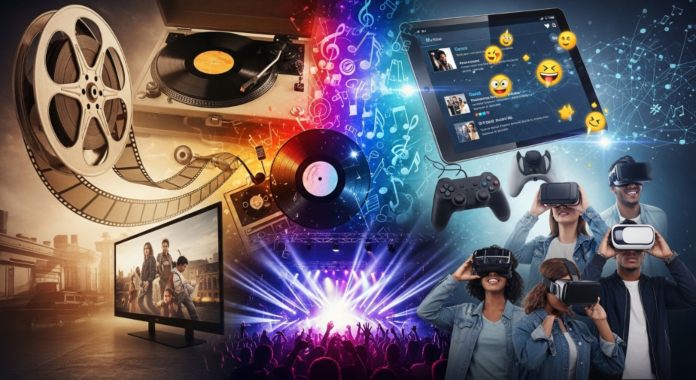
Film distribution is the bridge between movie production and audiences. No matter how well a film is made, it cannot succeed without an effective distribution strategy. Distribution determines where, when, and how a film is released, and it plays a major role in its commercial success. Over the years, film distribution channels have evolved dramatically, shifting from traditional cinema releases to digital platforms that reach global audiences instantly.
Traditional Theatrical Distribution and Its Continued Importance
Theatrical distribution remains one of the oldest and most prestigious film release methods. In this model, films are released in cinemas before any other platform. This approach is often associated with big-budget productions, blockbuster films, and major studio releases.
Theatrical releases generate excitement and anticipation through marketing campaigns, trailers, and premieres. Movie theaters provide a shared viewing experience that cannot be replicated at home. The large screen, surround sound, and audience reactions contribute to the emotional impact of a film.
Revenue from theatrical distribution is often the primary source of income for major films, especially during the initial release phase. Box office performance also influences a film’s reputation and future opportunities in other distribution channels.
However, theatrical distribution comes with high costs, including marketing, logistics, and cinema partnerships. It is also limited by geography, as films may be released in different regions at different times. Despite these challenges, cinema remains a powerful and influential channel in the film industry.
Digital Streaming Platforms and the Rise of Online Distribution
The emergence of digital streaming platforms has completely transformed film distribution. Platforms like Netflix, Amazon Prime Video, and Disney+ have created a new way for audiences to access films instantly from anywhere in the world.
Streaming distribution eliminates the need for physical cinemas, allowing films to reach a global audience at the same time. This model has become especially popular due to its convenience and affordability. Viewers can watch films on-demand without waiting for scheduled screenings.
For filmmakers, streaming platforms offer new opportunities for exposure. Independent filmmakers, in particular, benefit from digital distribution because they can bypass traditional studio systems and reach audiences directly.
Streaming platforms also rely heavily on data analytics. They track viewer behavior, preferences, and engagement to recommend content and guide production decisions. This data-driven approach helps optimize content creation and distribution strategies.
However, competition is intense in the streaming industry. With so many platforms available, films must stand out through strong marketing, unique storytelling, and strategic release timing.
Television and Cable Distribution in the Modern Era
Before the rise of digital platforms, television and cable networks were the primary secondary distribution channels for films. Even today, they remain an important part of the film ecosystem, especially for reaching audiences who prefer traditional viewing methods.
Television distribution typically involves licensing agreements where networks pay for the right to broadcast films. This can include premium cable channels, free-to-air television, and pay-per-view services.
TV premieres often occur after a film’s theatrical and streaming release, extending its revenue lifecycle. This allows films to continue generating income long after their initial release.
Cable and satellite television also provide exposure to a wider demographic, including audiences who may not use streaming platforms. In many regions, television remains a dominant source of entertainment.
Although its influence has declined due to streaming services, television distribution still plays a valuable role in maximizing a film’s reach and profitability.
Emerging Distribution Channels and Hybrid Release Models
Modern film distribution is no longer limited to a single channel. Instead, hybrid models are becoming increasingly common, combining theatrical, digital, and streaming releases.
One example is the simultaneous release strategy, where films are launched in cinemas and on streaming platforms at the same time. This approach gained popularity during global disruptions when traditional theater access was limited.
Another emerging trend is direct-to-digital release, where films skip theaters entirely and premiere on streaming platforms. This model is particularly beneficial for independent films and niche genres that may not perform well in cinemas.
Social media platforms are also becoming influential in film distribution. Short-form content, trailers, and promotional clips on platforms like YouTube, Instagram, and TikTok help generate buzz and drive audience engagement.
Additionally, global distribution strategies now focus on localization. Films are dubbed or subtitled in multiple languages to reach international audiences. This expansion has significantly increased the global reach of modern cinema.
Technology continues to reshape the industry with innovations such as virtual premieres, interactive viewing experiences, and even blockchain-based distribution systems. These advancements are creating new possibilities for how films are shared and monetized.