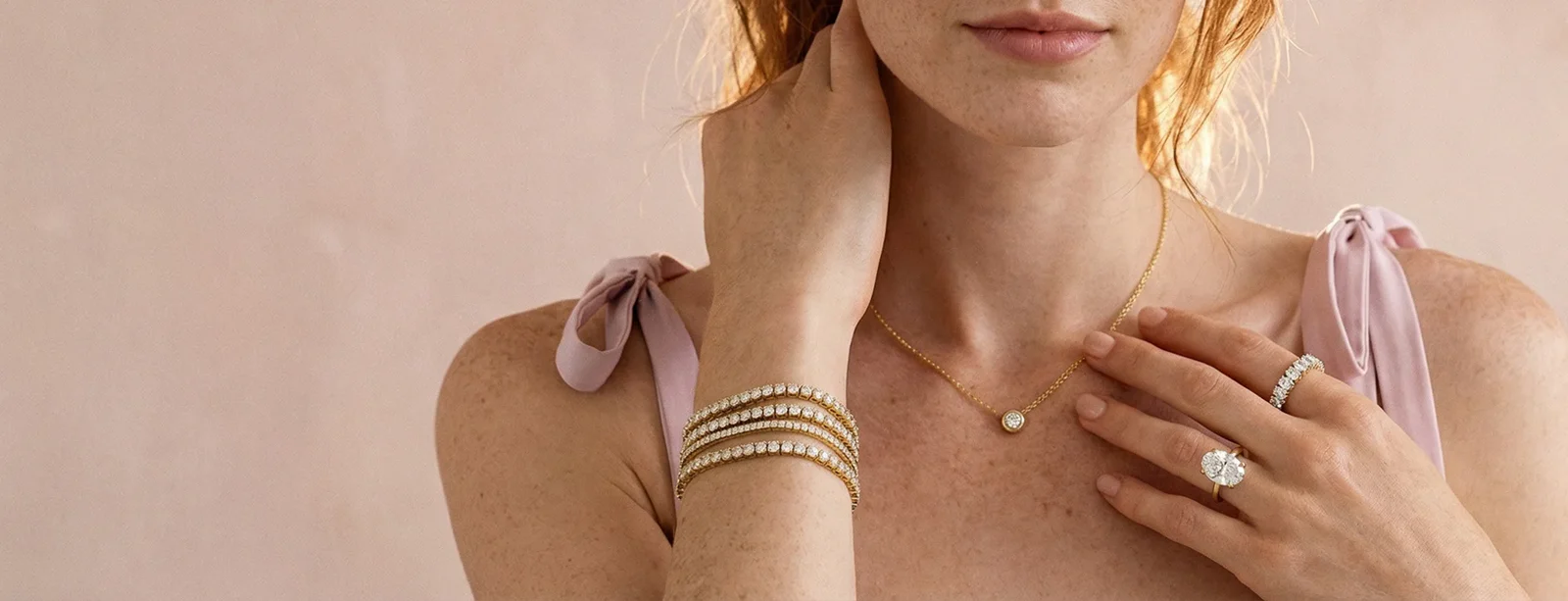

The handmade jewelry business is one of the most creative and profitable small business opportunities today. With growing demand for unique, personalized, and artistic accessories, many entrepreneurs are turning their passion for design into a sustainable income source. Unlike mass-produced jewelry, handmade pieces offer originality, craftsmanship, and emotional value, which makes them highly attractive to customers worldwide.
Understanding the Handmade Jewelry Market and Target Audience
Before starting a handmade jewelry business, it is essential to understand the market and identify your target audience. The jewelry industry is broad, ranging from luxury fine jewelry to affordable fashion accessories. Handmade jewelry typically falls into the niche of personalized, artisanal, or boutique-style products.
Your target audience may include fashion-conscious individuals, gift buyers, brides, or people who prefer unique handmade items over factory-made products. Each group has different preferences in terms of style, material, and pricing.
Market research helps you identify trends such as minimalistic jewelry, bohemian designs, gemstone accessories, or eco-friendly materials. Understanding what customers currently demand allows you to design products that sell faster and stand out in a competitive market.
Social media platforms like Instagram and Pinterest play a major role in shaping jewelry trends. Observing popular designs and customer engagement can help you refine your product ideas and branding strategy.
Setting Up Your Handmade Jewelry Business
Starting a handmade jewelry business does not require a large investment, but it does require careful planning. The first step is choosing your niche. You may focus on beaded jewelry, metalwork, resin designs, clay jewelry, or gemstone pieces.
Next, you need to gather essential tools and materials. This may include wires, beads, clasps, pliers, molds, and decorative elements. Quality materials are important because they directly affect the durability and appearance of your products.
Creating a dedicated workspace helps improve productivity and organization. Even a small home studio can be effective if it is well-arranged and equipped with proper lighting and storage.
Brand identity is also important from the beginning. Choose a business name that reflects your style and design philosophy. A strong brand helps you build recognition and trust among customers.
Registering your business and understanding basic legal requirements, such as taxation and product labeling, ensures that your business operates professionally and avoids future complications.
Designing Products and Building a Unique Style
In the handmade jewelry business, creativity is your biggest asset. Customers are drawn to unique designs that cannot be found in regular stores. Developing a signature style helps your brand stand out.
Start by experimenting with different materials and techniques. Try combining colors, textures, and shapes to create original designs. Inspiration can come from nature, culture, fashion trends, or personal experiences.
Consistency in design style is important for building a recognizable brand. While variety is good, maintaining a common theme helps customers identify your products easily.
Quality should always be a priority. Even simple designs can look premium if they are well-crafted and durable. Pay attention to finishing details such as polishing, symmetry, and secure fittings.
Packaging also plays a key role in customer experience. Attractive packaging enhances the perceived value of your jewelry and makes it more suitable for gifting. Eco-friendly packaging is also becoming increasingly popular among modern consumers.
Marketing, Selling, and Growing Your Jewelry Brand
Once your products are ready, the next step is marketing and sales. Online platforms provide the best opportunities for handmade jewelry businesses to grow quickly.
Ecommerce marketplaces like Etsy, Shopify, and Amazon Handmade allow you to reach global customers. These platforms are ideal for showcasing your products and building initial sales.
Social media marketing is equally important. Platforms like Instagram, Facebook, and TikTok are highly visual, making them perfect for jewelry promotion. High-quality photos and videos of your products can attract significant attention.
Storytelling is a powerful marketing tool. Sharing the inspiration behind your designs, your creative process, or customer stories helps build emotional connections with your audience.
Influencer collaborations and customer reviews can also boost brand visibility. When people see others wearing and recommending your jewelry, it increases trust and encourages purchases.
As your business grows, consider expanding your product range or introducing limited-edition collections. Offering customization options can also increase customer interest and loyalty.
Scaling your business may eventually include hiring assistants, outsourcing production tasks, or opening a physical store. However, maintaining handmade quality should always remain a priority.