In today’s fast-moving business environment, organizations need clear systems to manage information effectively. Without proper structure, data can become scattered, decisions can slow down, and operations may lose efficiency. This is where the MIS framework plays an important role. It helps businesses collect, process, store, and use information in a structured way so that managers and teams can make better decisions and improve overall performance.
Understanding the MIS Framework in Business
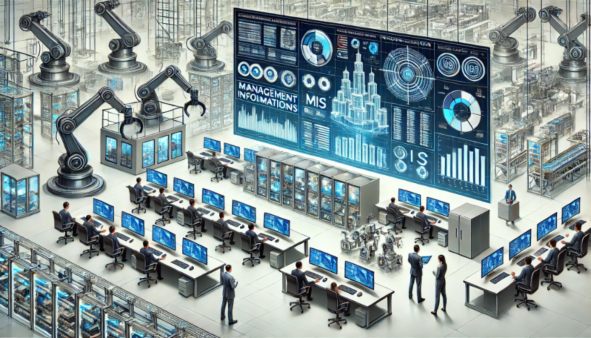
The MIS framework, or Management Information System framework, is a structured approach that supports the flow of information within an organization. It connects different departments and ensures that data is collected from various sources and transformed into useful reports. These reports help managers understand what is happening in the business at any given time.
In simple terms, the MIS framework acts like a bridge between raw data and meaningful insights. Instead of dealing with unorganized information, businesses receive clear and summarized reports that are easier to understand and act upon. This improves communication, reduces confusion, and creates a more organized working environment.
Improving Decision-Making Processes
One of the most important benefits of the MIS framework is its impact on decision-making. In many organizations, decisions must be made quickly and accurately. When information is delayed or unclear, it can lead to poor choices. The MIS framework solves this problem by providing timely and accurate data.
Managers can easily access reports related to sales, finance, inventory, and employee performance. This allows them to identify trends, solve problems early, and plan future strategies more effectively. As a result, decision-making becomes more data-driven rather than based on assumptions or guesswork.
Enhancing Efficiency in Daily Operations
A well-implemented MIS framework significantly improves the efficiency of daily business operations. It reduces manual work by automating data collection and reporting processes. This saves time and reduces the chances of human error.
Employees can focus more on important tasks instead of spending long hours organizing data. At the same time, managers can track progress in real time and ensure that operations are running smoothly. This level of efficiency helps businesses meet deadlines and maintain consistent performance.
Supporting Better Communication Across Departments
In many organizations, different departments often work in isolation, which can create communication gaps. The MIS framework helps solve this issue by integrating all departments into a single system. Information flows easily from one department to another, ensuring that everyone is on the same page.
For example, the sales department can share updated customer data with the finance team, while the production team can adjust output based on sales trends. This smooth exchange of information improves coordination and reduces misunderstandings between teams.
Strengthening Business Planning and Growth
Long-term success depends on strong planning, and the MIS framework plays a key role in this area. It provides historical data and performance reports that help businesses understand past trends and predict future outcomes.
With this information, organizations can set realistic goals and develop effective strategies for growth. Whether it is expanding to new markets, launching new products, or improving services, the MIS framework supports better planning at every stage.
The MIS framework, or Management Information System framework, is a structured approach that supports the flow of information within an organization. It connects different departments and ensures that data is collected from various sources and transformed into useful reports. These reports help managers understand what is happening in the business at any given time.
Conclusion
The MIS framework is an essential tool for modern businesses that want to improve efficiency, communication, and decision-making. By organizing data into meaningful information, it helps organizations operate more smoothly and respond quickly to changes in the market. It not only streamlines daily operations but also supports long-term planning and sustainable growth. In a competitive business environment, adopting an effective MIS framework can be a key factor in achieving success and maintaining a strong position in the industry.